
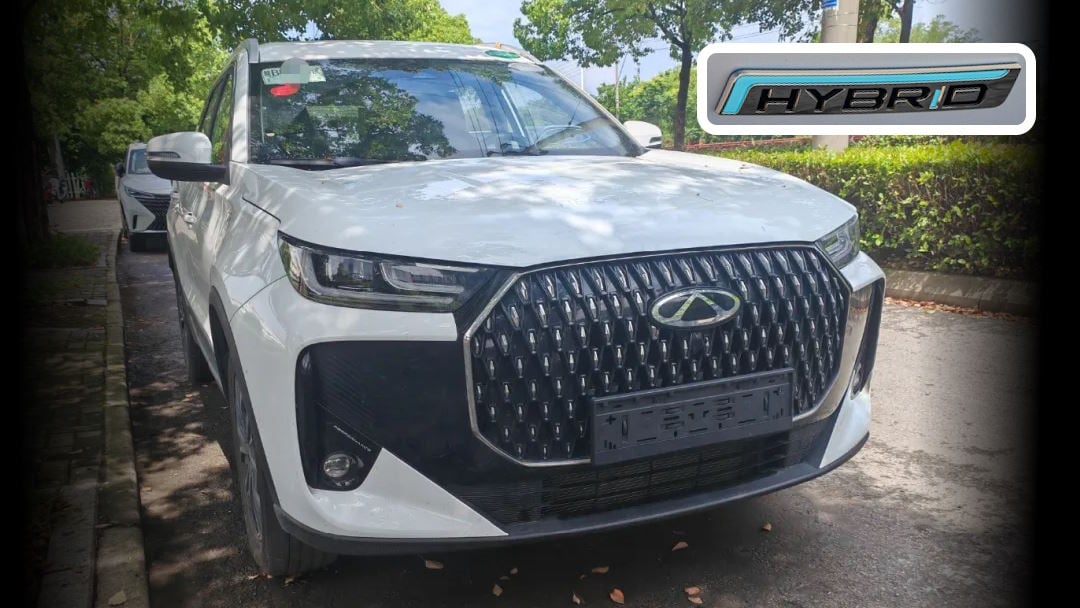
A self-charging hybrid (HEV) variant of Chery's Tiggo 7 compact SUV has been photographed in China. Spy images reveal the vehicle wearing English Chery badges and an interior design tailored for export markets, confirming its international release. In China, the model is also sold as the Tiggo 7 Plus.
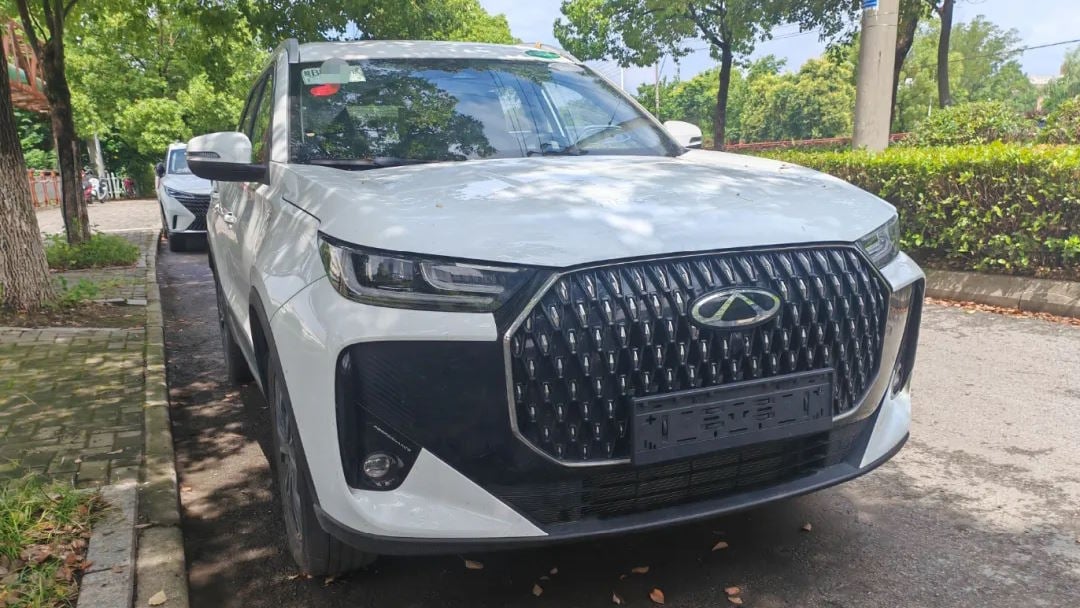
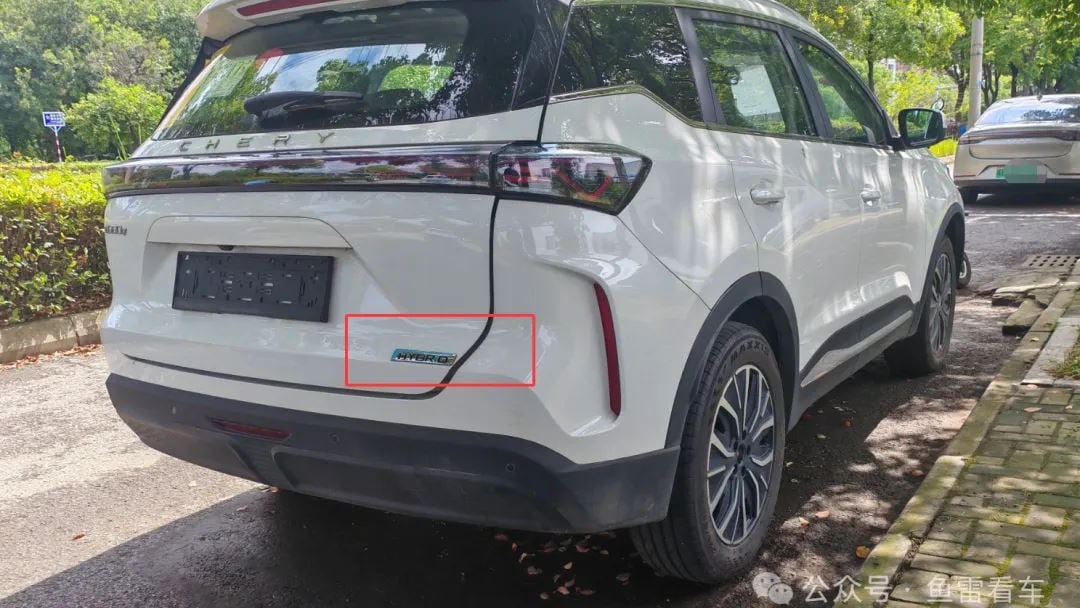

Source: Yu Lei Kan Che
HEV vs. MHEV, PHEV & ICE
The Tiggo 7 is currently available as a 48V mild-hybrid (MHEV), a plug-in hybrid (PHEV), or a conventional ICE SUV. While MHEV models cannot run on electric power alone, Chery Australia reports a 90 km EV range for the PHEV versions. An HEV can briefly operate in EV mode but cannot be charged externally. Energy is supplied by the engine or captured during braking, making it highly efficient in urban low-speed and stop-and-go traffic.
Adding an HEV model allows Chery to appeal to buyers who are curious about electric drive but hesitant about charging infrastructure.
Whats new with the Tiggo 7 HEV
The new Tiggo 7 HEV will sit between the MHEV and PHEV trims. It is expected to use Chery's “Kun Peng 2.0” hybrid system, which includes a 5.1 kWh battery and supports motors up to 150 kW (201 hp). When paired with a 1.5-liter turbo engine, total output is estimated at 260 kW (349 hp).
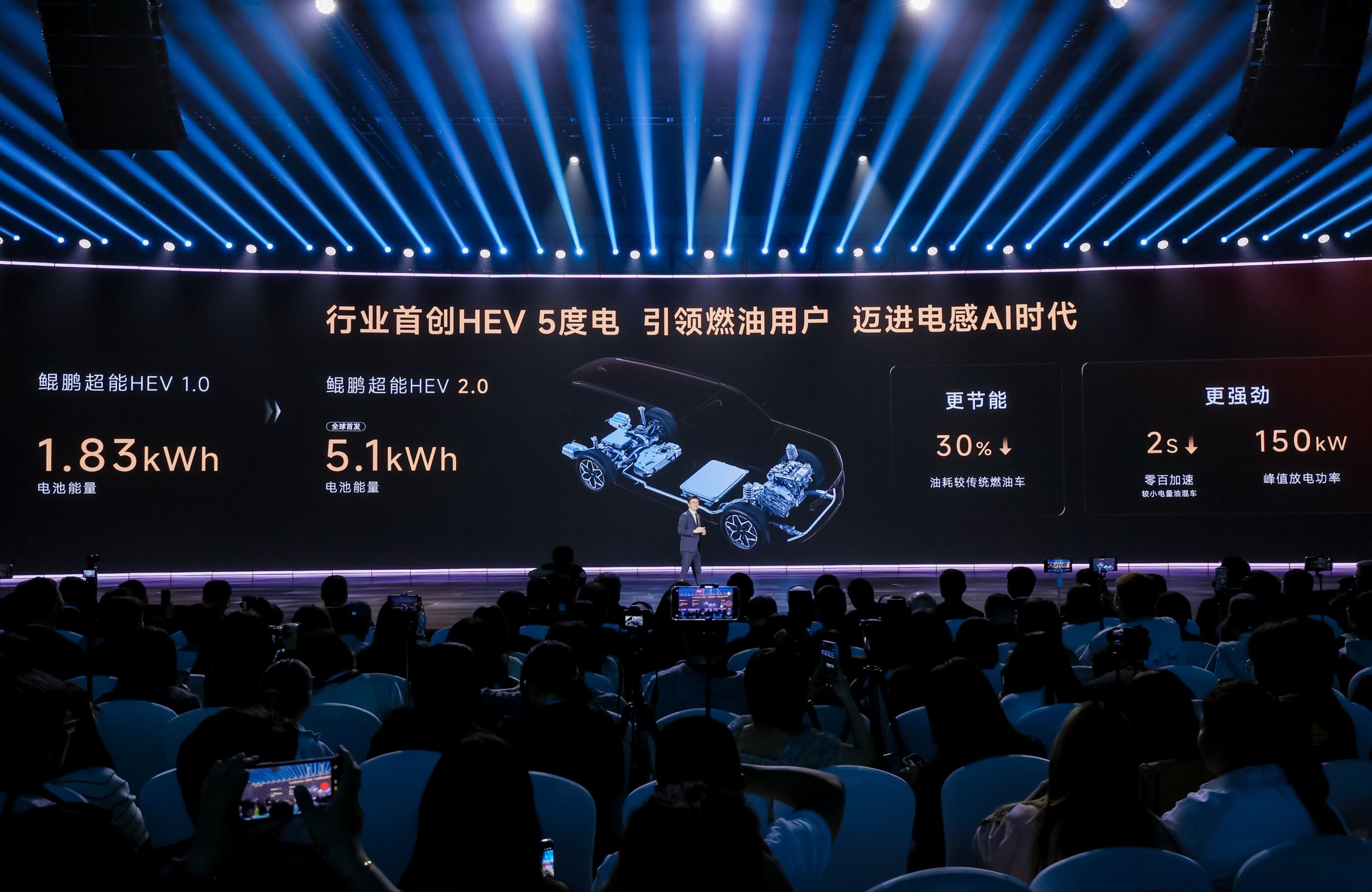
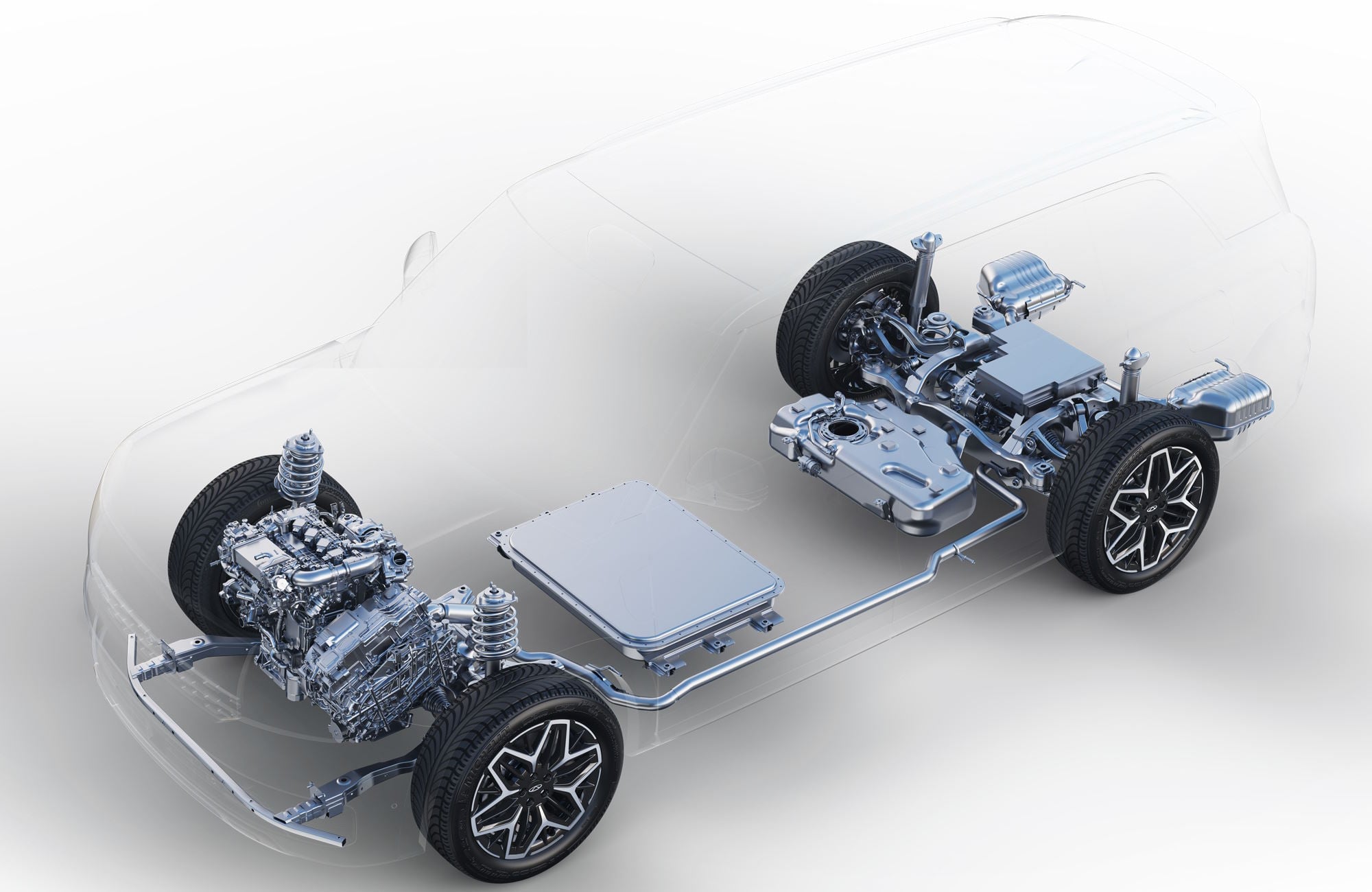
Source: Weibo Official Media
Chery claims its HEV system will offer extended EV-mode driving and high-power AC vehicle-to-load (V2L) capability, allowing buyers to run home appliances from the hybrid battery—a feature typically reserved for EVs and PHEVs.
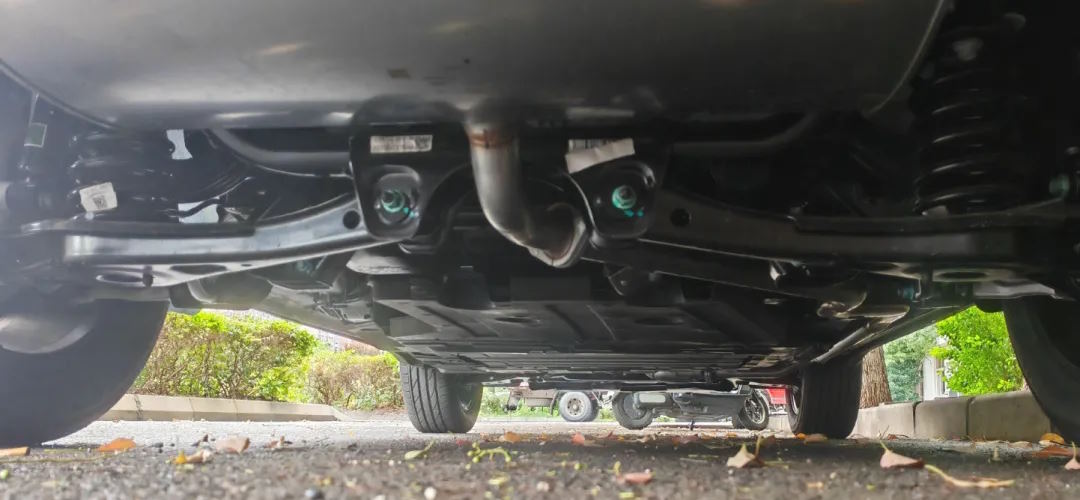
Underbody images show the HEV battery positioned between the axles and beneath the center floor. The 5.1 kWh pack is expected to be air-cooled. This layout mirrors the Tiggo 4 HEV, which uses Chery's first-generation HEV system.
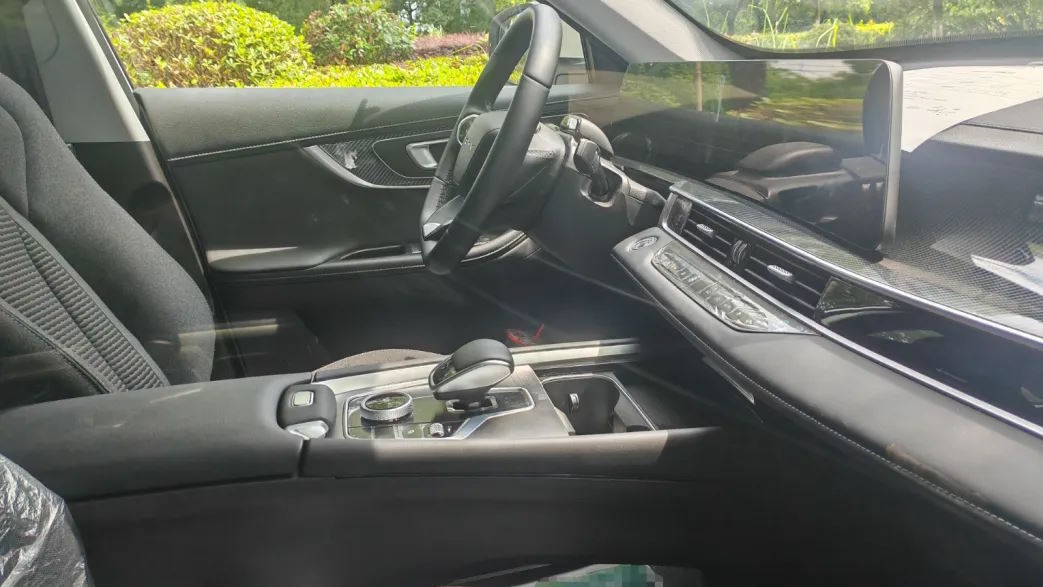
Apart from badging, the Tiggo 7 HEV's exterior remains largely unchanged, with identical lighting and bumper designs to its MHEV, PHEV, and ICE siblings. The cabin design is also carried over. As a self-charging hybrid, the Tiggo 7 HEV has no dedicated charge port. Pricing is expected to fall between the ICE and PHEV models. For context, the Australian-market petrol Tiggo 7 starts at 29,990 AUD (21,000 USD), while the “Super Hybrid” PHEV starts at 34,990 AUD (24,500 USD).
More on Chery and the Tiggo 7
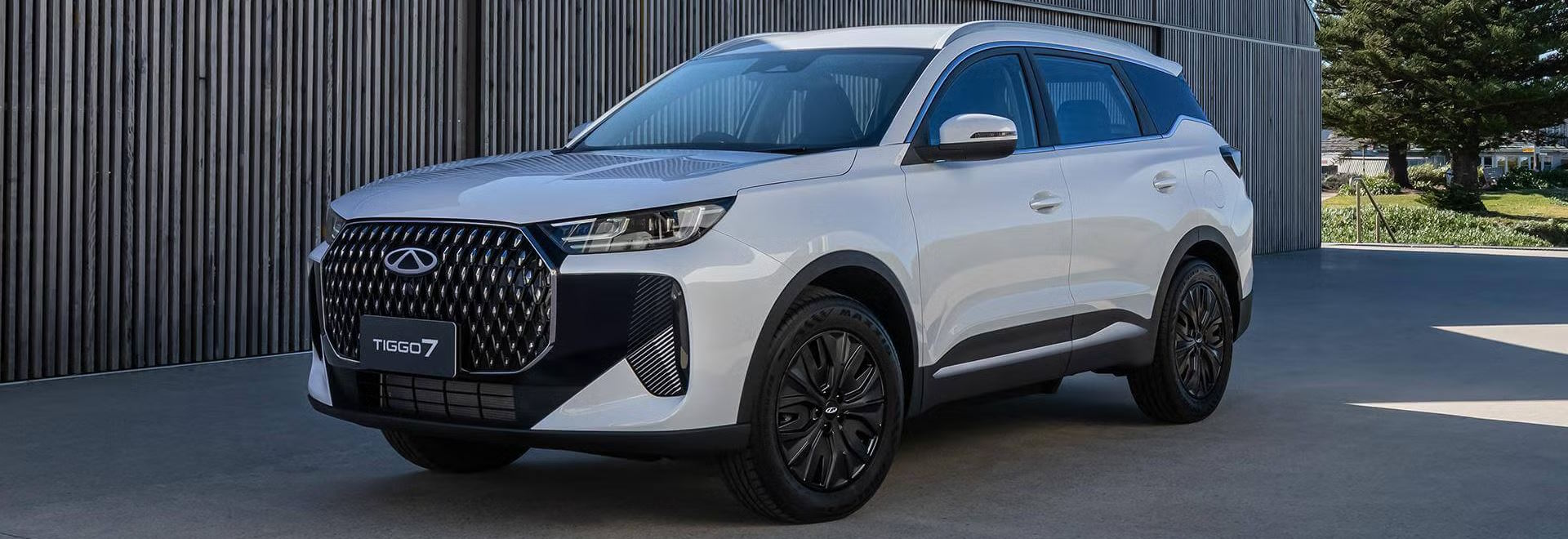
The Tiggo 7 measures 4,540 mm in length, 1,870 mm in width, and 1,170 mm in height, with a 2,661 mm wheelbase. It uses front McPherson struts and rear multi-link suspension. Curb weight ranges from 1,489 to 1,788 kg depending on powertrain and trim. In China, the Tiggo 7 Plus is offered with ICE and PHEV powertrains. The plug-in hybrid is priced aggressively domestically, retailing at 129,900-149,900 yuan (19,200-22,100 USD).
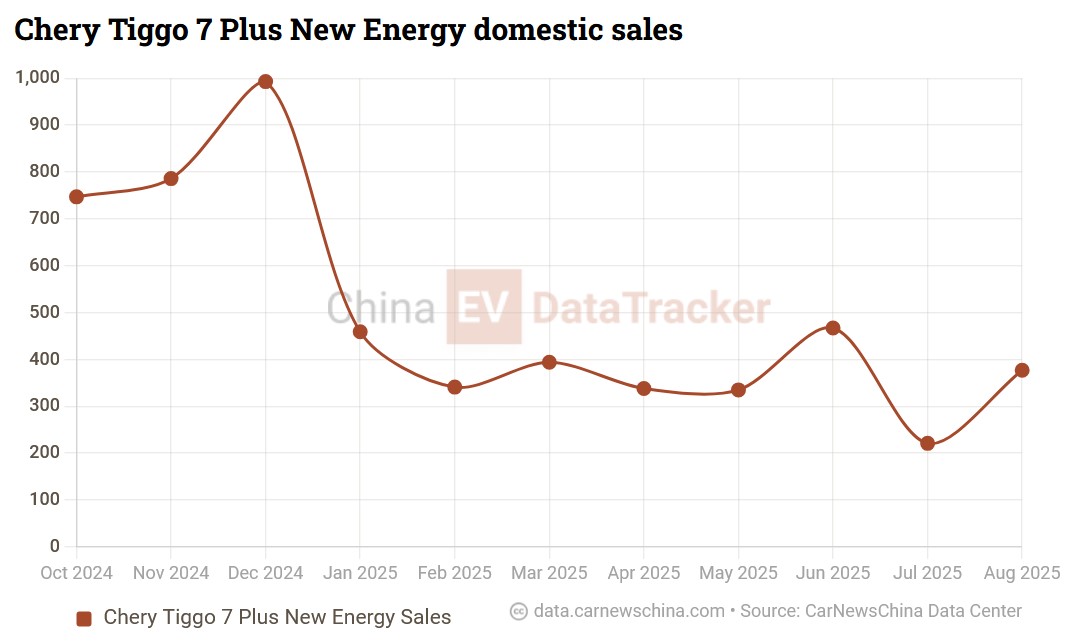
Despite these options, domestic sales remain minimal. China EV DataTracker reports only 377 units delivered in August 2025, the last month with publicly available data.
Source: Yu Lei Kan Che, Weibo Official Media, Chery Australia